
High Blood Pressure and Vision: What to Watch For
High blood pressure, or hypertension, is widely known for its impact on heart health. However, its effects can extend to many other parts of the body, including the eyes. Because the eyes contain delicate, tiny blood vessels, they can be particularly vulnerable to damage from consistently elevated blood pressure. Over time, these changes may lead to vision disturbances and, in more advanced cases, long-term eye damage. Understanding how hypertension affects the eyes can highlight the importance of regular monitoring and coordinated healthcare.
How High Blood Pressure Impacts the Small Blood Vessels in the Eyes
At the back of the eye lies the retina, a thin layer of light-sensitive issue that allows you to see clearly. The retina depends on a network of very small blood vessels to supply oxygen and nutrients. When blood pressure is high, it increases the force exerted against the walls of these vessels.
Over time, this added pressure can cause the vessel walls to thicken and narrow. As they become more constricted, blood flow to the retina may be reduced. In some cases, the vessels can leak fluid or small amounts of blood into the surrounding tissue. These changes are often associated with a condition known as hypertensive retinopathy.
Because the retina plays a central role in vision, even subtle disruptions in blood flow can affect visual clarity. The challenge is that these changes may develop gradually and without noticeable symptoms in the early stages.
Possible Vision Changes to Watch For
In its early phases, high blood pressure may not cause obvious visual symptoms. This is one of the reasons hypertension is sometimes described as a “silent” condition. However, as changes in the retinal blood vessels progress, certain vision issues may become more noticeable.
Some individuals may experience:
- Blurred or distorted vision
- Reduced sharpness or difficulty focusing
- Double vision
- Headaches accompanied by visual changes
- In more severe cases, partial or sudden vision loss
These symptoms can have many possible causes, but they should not be ignored. Routine eye exams are important because eye exams can detect health problems that might not yet be affecting daily vision. An eye care professional can observe subtle changes in the retinal vessels that may indicate stress from elevated blood pressure.
Long-Term Risks of Unmanaged Hypertension
When high blood pressure remains uncontrolled for an extended period, the cumulative damage to the eye’s blood vessels can become more significant. Restricted blood flow may lead to swelling in areas of the retina responsible for detailed central vision. This can interfere with tasks such as reading, driving, or recognizing faces.
In advanced cases, severely reduced circulation can deprive retinal tissue of adequate oxygen. Over time, this may contribute to more permanent structural damage. Although some vision changes may improve if blood pressure is brought under control, long-standing damage is not always reversible.
These potential complications reinforce the importance of early detection and consistent monitoring. Even in the absence of symptoms, internal changes may be developing.
The Role of Routine Eye Care and Medical Monitoring
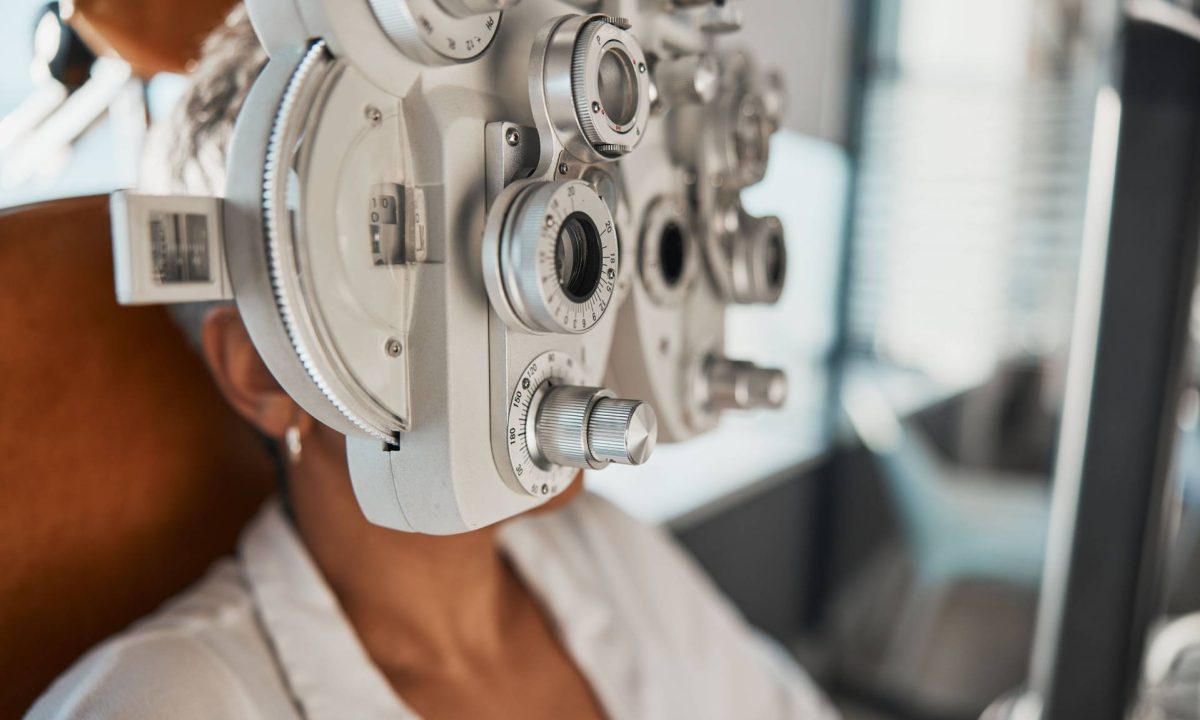
The eyes offer a unique view of the body’s blood vessels. During a comprehensive eye exam, an optometrist can directly observe the retinal vessels and identify signs of narrowing, leakage, or other abnormalities. This shows the importance of getting your eyes checked extends beyond updating a prescription.
Eye care and general medical care work best when they are connected. While an optometrist evaluates the structures inside the eye and monitors vision changes, a family doctor oversees overall health, including blood pressure management. If changes are detected in the eyes, sharing that information with a family doctor can help ensure a coordinated approach to the care.
Working with both providers supports a more complete understanding of how systemic health and eye health interact. Regular monitoring helps individuals maintain good vision while also addressing broader health concerns.
Supporting Overall Eye and Vascular Health
General health education consistently emphasizes the value of lifestyle habits that support cardiovascular wellness. Balanced nutrition, physical activity, stress management, and routine blood pressure monitoring are often discussed as part of a comprehensive health plan.
Equally important is scheduling regular, comprehensive eye exams. Because eye exams can detect health problems in their earlier stages, they serve as a valuable tool in protecting both vision and overall well-being. Even when eyesight appears stable, underlying changes may be present.
High blood pressure can quietly affect the small blood vessels in the eyes, sometimes long before noticeable vision changes occur. Over time, unmanaged hypertension may contribute to blurred vision, retinal damage, and other long-term complications. By maintaining regular visits with both an optometrist and a family doctor, individuals can take meaningful steps toward protecting their eye health. Staying informed and proactive supports the goal to maintain good vision and preserve quality of life.