
Why One Pair Isn’t Enough: How Your Optometrist Can Help You Choose the Right Eyewear for Every Activity
Most people think one pair of glasses is enough to handle every visual need, but that’s rarely the case. Just as you wouldn’t wear running shoes to a formal event or sandals on a hike, different activities require different types of eyewear. Whether you’re staring at a computer screen all day, driving at night, practicing in an indoor golf simulator, or enjoying the outdoors, each situation puts unique demands on your eyes.
The Importance of Specialized Eyewear
Every environment challenges your eyes in distinct ways. Prolonged screen time exposes them to blue light, outdoor activities increase exposure to UV rays, and fast-moving sports require precision and protection. Having eyewear designed for these specific situations not only improves visual performance but also helps prevent eye strain, fatigue, and long-term damage.
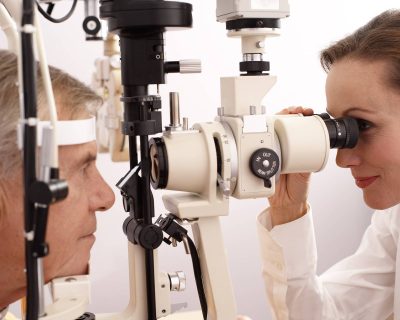
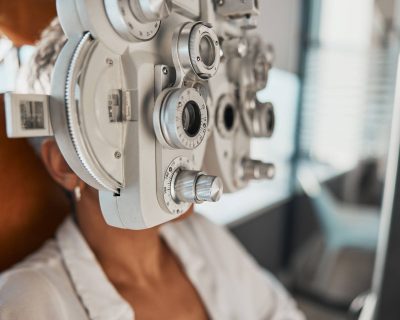
Your optometrist is trained to assess your vision and lifestyle together. Through a detailed eye exam and consultation, they can help with choosing between prescription eyeglasses and contact lens, or even a mix of both, depending on your activities.
Clear Vision and Comfort at Work
If you spend long hours in front of digital screens, you’ve probably experienced dry eyes, blurred vision, or headaches. These are symptoms of digital eye strain. Lenses designed for office environments often include blue light filters and anti-reflective coatings that reduce glare and block high-energy visible light emitted by screens.
Your optometrist can suggest prescription or non-prescription blue light glasses that fit your specific workstation setup and visual needs. For example, if your job requires switching between looking at your computer and reading documents, multifocal or occupational lenses can help you focus seamlessly at different distances.
Practicing good eye hygiene at work is equally important. To give your eyes a break and reduce strain, follow the 20-20-20 rule: every 20 minutes, look 20 feet away for 20 seconds.
Safe and Sharp Vision on the Road
Driving presents a completely different set of challenges, from shifting light conditions to glare from headlights or wet roads. The right driving eyewear can significantly improve visual clarity and reaction time.
Polarized lenses reduce glare from reflective surfaces, while anti-glare coatings enhance visibility during night driving. For those who frequently switch between day and night driving, photochromic lenses that automatically darken in sunlight can offer convenience and protection.
Your optometrist can help determine whether you’d benefit more from prescription sunglasses or a pair of adaptive lenses, ensuring you see clearly and drive safely in any condition.
Peak Performance in Sports and Recreation
Whether you’re cycling, skiing, or playing golf, sports eyewear can protect your eyes while enhancing performance. Different sports require different optimal needs: contrast enhancement, shatter-resistant lenses, or wraparound frames to block wind and debris.
Even indoor activities, such as practicing your swing in an indoor golf simulator, can benefit from specialized eyewear. Anti-glare and contrast-enhancing lenses help you read the virtual terrain more accurately, improving precision while keeping your eyes relaxed.
Your optometrist can recommend sports-specific options, from lightweight polycarbonate lenses for impact protection to tinted or polarized lenses that optimize depth perception and contrast.
Protection and Comfort Outdoors
Exposure to ultraviolet (UV) light can cause serious long-term damage, including cataracts and macular degeneration. Sunglasses with UV protection are a must, even on cloudy days. Your optometrist can help you find sunglasses that not only protect your eyes but also match your prescription, so you don’t have to sacrifice clarity for style.
If you prefer contacts for outdoor adventures, your optometrist can help you choose prescription eyeglasses or contact lens options that suit your environment, such as daily disposables for hiking trips or water-resistant lenses for sports near the water.
How Your Optometrist Tailors Recommendations
No two eyes—nor lifestyles—are exactly alike. During your appointment, your optometrist will consider factors like your visual habits, daily activities, and any eye conditions you may have. They may recommend a “wardrobe” of eyewear: blue light glasses for work, polarized sunglasses for driving, sport-specific eyewear for recreation, and clear lenses for everyday use.
They can also help you integrate new technologies, like progressive lenses or transitions, to cover multiple activities with fewer pairs. The result is a customized approach that ensures you always have the right eyewear for your active lifestyle, no matter what the day brings.
Your eyes are constantly adapting to new environments, so why limit them to one pair of glasses? From reducing glare to ensuring good eye hygiene, every activity can benefit from specialized eyewear. With your optometrist’s guidance, you can build a versatile eyewear collection that keeps your vision sharp, your eyes protected, and your performance at its best.