
What Are the Benefits of Having Children Eye Exams?
It is true that children can be nervous about having eye exams. They may even pretend that nothing is wrong with their eyes to avoid going for an eye examination. As a parent, you should not be deceived by your children’s antics; you should make eye examinations one of the important tests your children must undergo. Understanding the many benefits of having children eye exams ensures you prioritize their vision health and setting them up for long-term success.
Eye problems have been identified as one of the reasons for poor performance or achievement of children in school. Many children have trouble reading notes written on the blackboard and other materials. Besides, there are many eye disorders that should be treated early to prevent permanent visual impairment. And such disorders can only be discovered by eye exams.
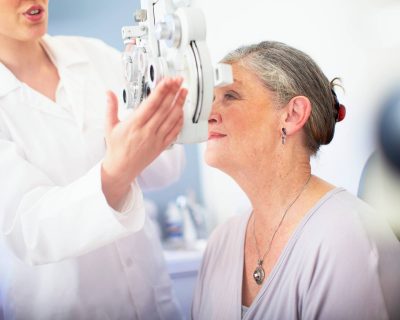
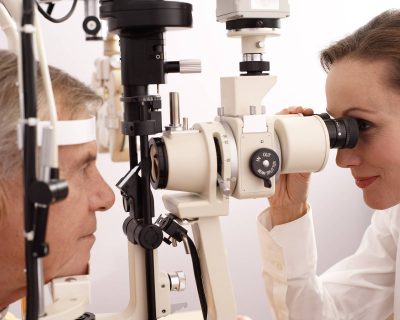
Eye exams performed by licensed doctors (an ophthalmologist or optometrist) will include a complete evaluation of the visual acuity and health of the eyes from front to back. These specialized assessments go well beyond what a general family doctor can check during a routine checkup. The comprehensive eye exam will also include checking for early signs of serious eye problems such as macular degeneration, cataracts, glaucoma, and detached retina.
Related Service: Children Eye Exams
Eye exams for children are similar to full eye exams for adults, only that the tests are adapted to suit children to ensure that the process is stress-free for them and for the optometrists. Early detection of eye problems in children will enable the eye doctors to prescribe the right treatment or care.
Signs That Your Child Needs An Eye Exam
Children rely heavily on their eyesight to explore the world, learn in the classroom, and interact with peers, yet visual issues can develop so gradually that parents miss the initial signs. Observing how your child reads, plays, and completes schoolwork provides crucial clues about their overall eye health and visual comfort.
Any of the following signs might suggest that your child has a vision problem and you should take them for an eye examination as soon as possible:
- Headaches
- Squinting
- Avoiding close work
- Holding reading material closer than normal
- Blurred or double vision
- Using a finger to maintain place while reading
- Tilting or turning head to use one eye only
- Rubbing eyes
- Eyes turning inward or outward
- Worsening academic performance
Recognizing these behavioral indicators early can make a profound difference in your child’s visual development and daily comfort. Children often lack the awareness to report vision changes verbally, relying instead on physical compensations like tilting their head or avoiding challenging tasks altogether. Promptly addressing these subtle red flags with a comprehensive pediatric eye exam helps pinpoint underlying refractive errors or alignment issues, ensuring your child receives the corrective support they need to thrive both in and out of the classroom.
The Benefits of Having Children Eye Exams
1. Ensure Your Children Have Healthy Eyes
Eye exams help to know the health of your children’s eyes. Even if your children do not complain, the only way to know that your children’s eyes are functioning properly is eye exams, which will reveal the true state of health of their eyes and the right treatment will be prescribed immediately.
Children often adapt to poor vision without realizing anything is wrong because they assume everyone sees the world the same way they do. Routine pediatric vision assessments evaluate visual acuity, eye teaming, tracking skills, and depth perception. Identifying hidden issues early prevents minor visual strains from developing into lifelong visual impairments.
Related Article: Why is it Important to get Frequent Eye Exams
2. Discover Serious Eye Diseases Early
Taking your children for eyes exams will help the eye doctor to catch any serious eye diseases early. In addition, some eye conditions, when detected and treated early in children, are reversible. Waiting till your children get older could make your children’s eye condition permanent.
Conditions such as amblyopia (lazy eye), strabismus (crossed eyes), and pediatric refractive errors respond significantly better to treatment when diagnosed during critical stages of visual development. Early intervention allows an eye care specialist to use therapies like patching, corrective lenses, or vision therapy to retrain the brain-eye connection before the visual pathway fully matures in adolescence.
3. Improved Academic Performance
Eye exams and treatment will help children’s doing well in school since most eye problems can be treated or corrected with a simple prescription. To read, view computer monitors, see blackboards about 20 feet away, and write, children need good eyesight. An eye exam will help your child to see far and near and be able to succeed in the classroom.
Approximately 80 percent of everything a child learns in school is presented visually. Uncorrected vision problems frequently lead to eye strain, fatigue, headaches, and shortened attention spans during reading or test-taking. By ensuring your child has clear, comfortable vision, you eliminate hidden barriers to learning and help them build confidence in their academic abilities.
Conclusion
Routine children’s eye exams are a foundational investment in a child’s overall development. They also support academic success and long-term quality of life. Young children rarely realize when their vision is compromised. Because of this, undetected visual issues can easily present as learning difficulties, poor concentration, or behavioral challenges in the classroom. Timely eye evaluations ensure that refractive errors are diagnosed and corrected early. These include nearsightedness, farsightedness, and astigmatism. Early correction provides children with the clear, comfortable vision necessary to explore, learn, and engage confidently with the world around them.
Beyond improving day-to-day visual clarity, pediatric eye exams play a critical role in preventive healthcare. They identify hidden conditions that only an eye care professional can detect. Issues like lazy eye (amblyopia), eye misalignment (strabismus), and developmental tracking problems respond best to early intervention while a child’s visual system is still growing. Scheduling consistent eye checkups gives parents peace of mind. Ultimately, routine visits protect a child’s vision health today while laying a solid foundation for optimal visual performance well into the future.