
Disposable Contact Lens Vs Daily Use Contact Lens. Which to Choose?
Choosing the ideal contact lenses can significantly enhance your daily visual clarity, personal comfort, and overall eye health. With advancements in optical technology, wearers now have access to a wide range of lens modalities designed to accommodate diverse lifestyle needs, visual prescriptions, and environmental factors. Among the most popular options available today are daily disposable contact lenses and reusable daily wear lenses, each offering distinct advantages depending on your daily routine.
Evaluating how each lens type fits into your schedule is essential for achieving long-term visual satisfaction. While some individuals prioritize the effortless convenience and hygienic simplicity of a fresh pair every morning, others prefer the structural durability and long-term cost-effectiveness of bi-weekly or monthly replacements. Understanding the key differences between these modalities ensures you select an option that fits your everyday habits while protecting your ocular wellness.
Disposable Contact Lens
As the name implies, a disposable contact lens is worn just for a day and discarded at the end of that day. This type of contact lensesis very thin and has high water content to provide optimal comfort for wearers. Besides, it is convenient to use because no cleaning is required before and after use. It is best for busy people. Wearing disposable contact lens creates a sense of freshness as a new lens is worn daily.
On the other hand, it may be expensive for a regular wear. In addition, the lenses can dry out fast for some people due to the brand of the contact lens they buy, the activities they engage in, and the environment where they spend most of their time. Moreover, disposable contact lenses are not durable as their surface not treated to withstand re-use.
Daily Use Contact Lens
This is the type of contact lens that is re-used and replaced on a monthly basis or every two weeks depending on the brand bought. Daily Use Contact lenses are the best value for regular wearers. In addition, they are available in diverse strengths and fittings. Besides, they are more comfortable and more comfortable and more resistant to drying out.
On the other hand, daily use contact lenses must be cleaned regularly. Also, they may be less comfortable as they are thicker than disposable contact lenses.
Related Article: Should You Choose Glasses or Contact Lenses?
Tips for Choosing Between Disposable Contact Lens and Daily Use Contact Lens
When you are confused about choosing between disposable and daily use contact lenses, the following tips should help you in making an informed decision.
1. Your Vision Correction Prescription
This is crucial to choosing from the available types of contact lenses. Know that not all available contact will meet the requirements of your prescriptions. Daily use contact lenses have a harder composition and are capable of providing better vision at higher magnifications. As a result, daily use contact lenses are perfect for complex corrections such as multifocal and astigmatism, for sharp vision.
Specific vision challenges require specialized lens designs that maintain precise alignment on the eye. While single-use disposable lenses accommodate standard nearsightedness and farsightedness easily, structural stability is essential when correcting severe cylinder power or complex presbyopia. Reusable contact lenses often provide a wider range of base curves and parameter options, allowing your eye care specialist to fine-tune your prescription for maximum optical clarity.
2. Eyes Sensitivity
If your eyes are so sensitive that you have irritation to a type of contact lens try lenses with a higher water content or better oxygen permanently. You may need to check the composition of the brand you want to buy for your personal condition.
Allergies, dry eye syndrome, and environmental irritants can significantly affect how comfortable a contact lens feels throughout the day. Daily disposable lenses eliminate the build-up of protein deposits, dust, and cleaning solution preservatives that frequently trigger allergic reactions in sensitive eyes. However, if your eyes tend to dry out toward the end of the day, certain modern silicone hydrogel daily wear materials are specifically formulated to retain surface moisture and maintain high oxygen transmissibility without leaching natural tear film.
3. Your Lifestyle
If you are into sports, disposable contact lenses would be more suitable because of the physical activities you engage in, you can remove and replace them quickly after contact with sweat, water, dirt or sunscreen. However, thinner contact lenses dry out fast.
If you are the less active type, you may consider daily use contact lenses. Remember that choosing the right contact lens is crucial to experiencing sharp vision, and comfort. Always advise an optometrist or an optician when making your decision.
Frequent travellers, outdoor enthusiasts, and individuals with unpredictable work schedules often find that single-use disposables save time by eliminating the need to carry cleaning solutions and storage cases. Conversely, if you follow a consistent daily routine at home or in an office setting, maintaining a strict disinfection regimen for reusable lenses can easily become a seamless part of your morning and evening habits. Matching your lens modality to your daily rhythm minimizes maintenance stress while keeping your vision clear and comfortable.
Conclusion
Ultimately, whether you select single-use disposables or reusable daily wear lenses depends on your individual priorities, budget, and eye sensitivity. Disposable lenses provide unmatched convenience and hygiene for busy or active individuals. In contrast, daily wear options offer a cost-effective, durable solution for complex visual corrections. Weighing these practical benefits against your daily demands helps narrow down the choice that best supports your vision.
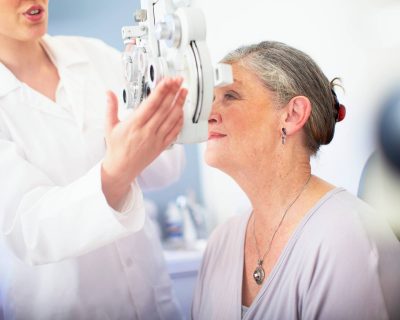
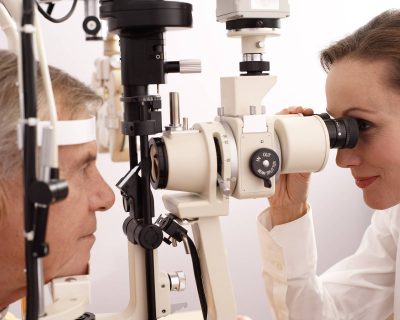
Consulting with an eye care professional is the final and most important step in ensuring long-term success with your contact lenses. An optometrist or optician will evaluate your tear film, corneal shape, and overall eye health. This evaluation ensures your chosen lenses provide precise alignment and continuous comfort. Professional fitting guarantees that your decision promotes clear, healthy vision for years to come.