
5 Reasons Why You Should Get Your Eye Exam Regularly
When was the last time you had a general eye exam? Many people are surprised to learn that booking a checkup with their optometrist for regular eye exams is something that should be incorporated into your health checkup routine. There are several benefits of having your eyes checked regularly, and you shouldn’t have to wait until you have an issue or problem with your eyes to see an optometrist.
Vision is arguably our primary way of interacting with the world. Yet, it is often the sense we take most for granted. Changes in ocular structures happen gradually. Because of this, many people adapt to declining clarity or chronic discomfort over time. They rarely realize that their visual performance has slipped.
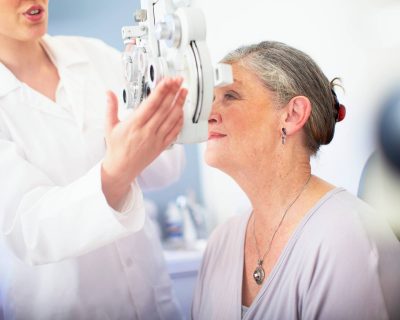
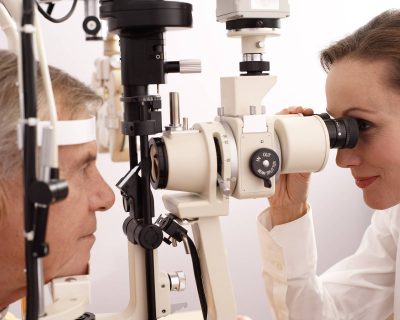
A comprehensive eye exam goes far beyond basic vision checks. It evaluates much more than your ability to read lines off a Snellen wall chart at twenty feet. Instead, it provides an in-depth clinical assessment of how your eyes work together. It also monitors internal fluid dynamics and delicate microvascular health.
Skipping routine evaluations leaves you vulnerable to hidden complications. Many people wrongly assume that 20/20 vision guarantees perfect eye health. In reality, serious conditions often develop silently behind clear sight. They steadily erode sensitive nerve tissues or light receptors long before outward symptoms trigger alarm bells.
Committing to consistent, preventive optometric visits builds a critical defense for your eyes. Regular care safeguards your quality of life and productivity. Ultimately, it protects your general well-being across every stage of adulthood.
Still not convinced? Here are five reasons why you should get your eyes examined regularly!
1. Prevention
Regular eye exams help to prevent the likelihood of future eye issues. During your eye exams, your optometrist can identify any symptoms or underlying factors in your health that can affect the quality of your eyesight and the wellbeing of your eyes. The topmost reason to get your eye exam conducted regularly is to spot any early signs of potential vision issues and the early detection of changes in your eyes so they can be addressed and treated early.
Preventive eye care relies heavily on establishing an objective historical baseline of your unique anatomical parameters. Using digital retinal photography, high-resolution topography, and pachymetry to measure corneal thickness, your eye doctor maps out the landscape of your ocular structures over consecutive visits. When these objective data points are tracked year after year, your optometrist can identify microscopic cellular deviations—such as slight peripheral retinal thinning or early crystalline lens hazing—that would otherwise escape casual observation.
2. Diagnosing Asymptomatic Defects
When there are asymptomatic defects, there may not be any visible signs until the problem is full-blown and already limiting an individual’s sight. One of the most common asymptomatic eye defects is Glaucoma. The condition develops slowly and if left unattended, it could lead to a total loss of sight. By getting your eye examined regularly, asymptomatic eye defects can be detected by your optometrist and treatment can be started swiftly to prevent life-long damage to your eyes.
Because the human visual system possesses extensive overlapping field coverage, the brain readily fills in missing visual data, hiding localized blind spots from conscious awareness. In conditions like open-angle glaucoma, elevated intraocular pressure progressively compresses the delicate fibers of the optic disc, silently stripping away peripheral sight while central vision remains completely crisp. A patient can easily retain sharp 20/20 central visual acuity while harboring severe, irreversible optic nerve cupping.
3. Up to Date Prescriptions
If you rely on glasses, contacts or other forms of eye support for clear vision, a visit to an optometrist’s office should be an annual endeavour for you. Regularly visiting the optometrist will help you stay up to date on your prescriptions and prevent any problems affecting your eyes.
Over time, natural biochemical changes inside your eye alter its refractive power. Subtle shifts in the curvature of your cornea or gradual compaction within the crystalline lens can cause minor astigmatism shifts or accelerate nearsightedness without your immediate awareness. When you rely on an outdated prescription, your internal ciliary muscles are forced into continuous, unnatural accommodation just to bring text and everyday objects into crisp focus.
4. Reporting Symptoms
Symptoms like eye dryness, squinting, and watery eyes, maybe tell of other more serious issues, but you might not realize it until you get a proper eye exam. By getting regular eye exams, you can keep a medical record of your symptoms and assist the optometrist in providing the best care for your eyes.
Many people dismiss daily visual annoyances as harmless byproducts of aging or fatigue. These include stinging eyes in air-conditioned rooms, sudden flashes of light, transient floaters, or chronic watery eyes.
In reality, watery eyes are often a paradoxical warning sign. They frequently point to severe evaporative dry eye syndrome. In this condition, poor oil quality causes the tear film to evaporate too quickly. The lacrimal gland then tries to overcompensate. It floods the ocular surface with poor-quality reflex tears that fail to provide lasting moisture.
5. Unveil and treat related health problems
Like most parts of the human body, the eyes can showcase symptoms of other issues in your body. Eye exams primarily focus on your eyes, optical nerves, and other parts of your physiology that have to do with the visual senses. However, symptoms and diagnosis may result in detecting early signs of other health problems.
The human eye is the only place in the living body where doctors can directly and non-invasively inspect active blood vessels, microcapillary beds, and cranial nerve structures without making an incision. Systemic vascular and metabolic disorders leave distinct marks on the retina long before they produce clinical symptoms elsewhere in the body. Uncontrolled hypertension, for instance, produces distinct arteriolar narrowing, copper wiring, and nicking where hardened arteries compress crossing venules.
Conclusion
Eye exams should be a part of your regular health checkup routine and not just left until you have some discomfort or blurred vision. The best way to ensure your appointments are booked is to set them at the end of your next visit. This way your annual checkup is already scheduled.
Prioritizing your visual wellness is an investment in your long-term independence, career comfort, and overall vitality. Waiting for noticeable symptoms to arise often means waiting until a condition has progressed past its most treatable early stages. By making routine optometric examinations an ongoing pillar of your preventive medical regimen, you protect your sight against silent pathology, optimize your visual performance, and ensure that your eyes continue to serve you well for decades to come.