
The Myopia Surge: How to Protect Your Child’s Vision in a High-Tech School Year
Screens are now a central part of how children learn, socialize, and relax. From tablets in the classroom to homework on laptops, “near-work” activities—those that require focusing on objects up close—are increasing rapidly. At the same time, experts are observing a rise in myopia (nearsightness) among school-aged children. While technology isn’t going away, parents can take practical steps to help balance screen time with healthy habits that support vision and overall wellness.
Understanding the Rise in Near-Work and Myopia
Near-work includes activities like reading, writing, and using digital devices. While these are essential for learning, prolonged periods without breaks may contribute to visual strain. Over time, this can be associated with the development or progression of myopia in some children.
Children today often spend more time indoors and less time engaging in outdoor play compared to previous generations. This shift matters because exposure to natural light and distance viewing may play a role in supporting healthy visual development.
Actionable Tips to Balance Screen Time and Outdoor Play
1. Follow the 20-20-20 Rule
Encourage your child to take a 20-second break every 20 minutes by looking at something 20 feet away. This simple habit can help reduce eye strain during extended periods of near-work.
2. Schedule Outdoor Time Daily
Aim for at least 1-2 hours of outdoor activity each day when possible. This could include sports, walking the dog, or simply playing outside. Natural light exposure and distance viewing give the eyes a break from constant close-up focus.
3. Create Screen-Free Zones
Designate certain areas of your home, like the dinner table or bedrooms, as screen-free. This encourages healthier habits and reduces unnecessary near-work outside of school requirements.
4. Optimize the Learning Environment
Make sure your child’s workspace is well-lit and ergonomically set up. Screens should be at eye level and at a comfortable distance, typically about an arm’s length away.
5. Encourage Variety in Activities
Balance academic work with hobbies that don’t involve screens, such as drawing, building, or playing musical instruments. This helps diversify visual demands and supports overall development.
Recognizing Common Eye Conditions in Children
Children may not always express when something is wrong with their vision. That’s why it’s helpful to be aware of signs that could indicate common eye conditions. These may include:
- Squinting or tilting the head
- Frequent eye rubbing
- Complaints of headaches
- Difficulty concentrating on schoolwork
- Sitting very close to screens
Conditions such as myopia, hyperopia (farsightedness), and astigmatism are among the most common eye conditions in children. Early identification can help ensure your child has the support they need to succeed both academically and socially.
What to Expect in an Eye Exam
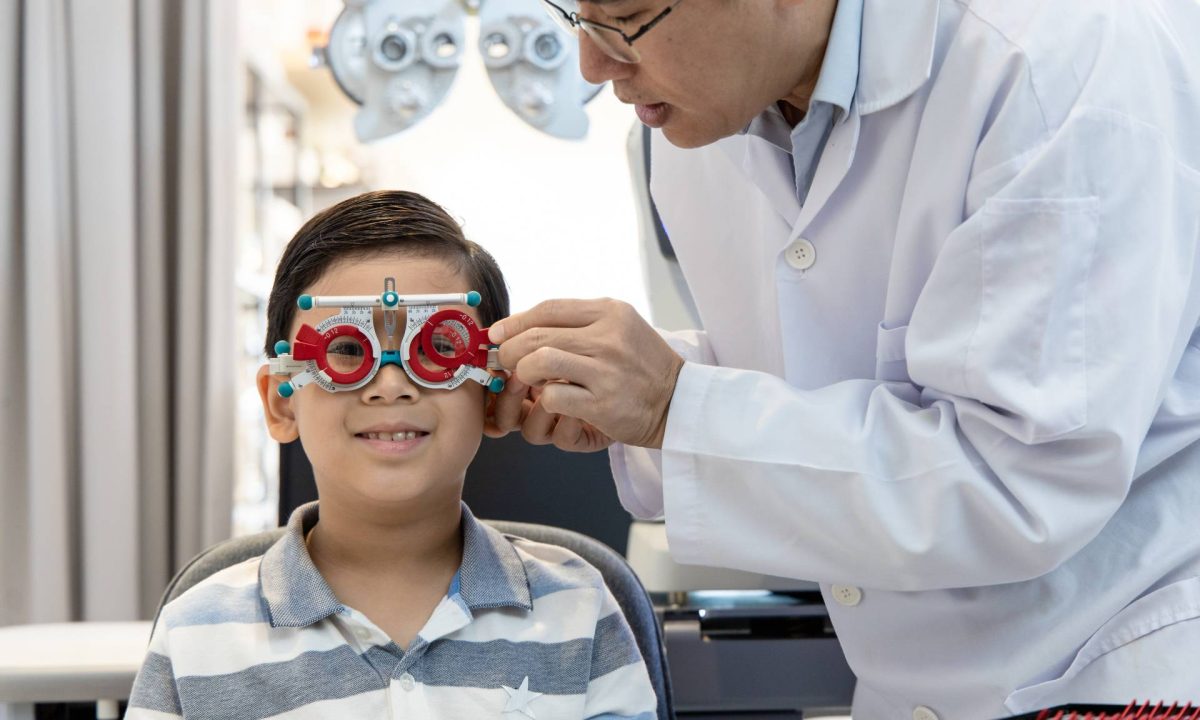
Understanding what to expect in an eye exam can help both parents and children feel more comfortable about the process. A comprehensive eye exam typically includes:
- A review medical and vision history
- Tests to assess how well the eyes focus and work together
- Visual acuity measurements (clarity of vision)
- Evaluation of overall eye health
An optometrist uses these assessments to track vision milestones and identify any potential concerns. These visits are not just checking whether a child needs glasses—they are an important part of monitoring development over time.
Eye Care as Part of Whole-Child Wellness
Vision health doesn’t exist in isolation. An optometrist often works alongside your family doctor to support your child’s overall well-being. While the family doctor monitors general health, growth, and development, the optometrist focuses specifically on visual function and eye health.
Together, these professionals contribute to a more complete picture of your child’s health. For example, vision issues can sometimes affect learning, coordination, or behaviour, which may also be discussed during routine pediatric visits. Coordinated care helps ensure that important milestones—both physical and visual—are being met.
This team-based approach reinforces the idea that maintaining good vision is part of a broader strategy to improve your vision health and support your child’s overall quality of life.
Building Healthy Habits That Last
By encouraging regular breaks, outdoor activity, and routine eye exams, parents can create a supportive environment that promotes both learning and wellness. It’s also important to model these behaviours. When children see adults taking screen breaks and prioritizing outdoor time, they are more likely to adopt similar habits themselves.
The modern school year is more digital than ever, but that doesn’t mean children’s vision health has to take a back seat. By balancing near-work with outdoor play, staying aware of potential concerns, and scheduling regular visits with an optometrist, parents can take meaningful steps to support their child’s development.
When combined with guidance from your family doctor, these efforts become part of a comprehensive approach to wellness—helping your child see clearly, learn effectively, and thrive in a high-tech world.


