
How Often Should I Get A Prescription Eye Exam?
Why wait until your sight gets worse and starts to disrupt your daily activities when you can be proactive about it? Getting a prescription eye exam is your best bet at doing so. That’s why it is recommended to have one regularly. This helps you detect eye issues and check the progress of the current one. The big question is: how often should you get a prescription eye exam?
Taking a look at your current eyewear is an essential part of your eye exam with the optometrist. Now, for anyone aged 6 and above, an annual eye exam is imperative. Here, an optometrist will check the eyes for issues such as glaucoma and refractive errors. It’s also important to have this annual eye exam because your eye doctor can confirm the accuracy of your current prescription.
Reasons why you should get a prescription eye exam
Besides the fact that you need to see the optometrist once a year if you have an existing prescription, here are other reasons to do so:
If you have been squinting regularly.
Squinting is a subconscious reflex designed to temporarily change the shape of the eye and narrow the field of incoming light, making fuzzy images appear momentarily sharper. When you find yourself narrowing your eyes to read street signs, menu boards, or laptop displays, your optical prescription no longer supports your visual needs.
If you have noticed that your vision is blurry.
Sudden or gradual loss of visual sharpness at distance, intermediate, or near focal ranges indicates that your eyes require clinical attention. Blurriness can stem from refractive shifts, ocular surface dryness, or developing internal health conditions that demand prompt intervention.
If you must close an eye to look at your phone, watch television or read a book.
Shutting one eye is a classic compensatory habit used to eliminate double vision or mask unequal refractive error between both eyes. This behaviour strongly suggests binocular vision issues, eye muscle imbalance, or amblyopia that requires immediate evaluation.
Persistent eye strain at the end of the workday, recurrent dull headaches around the temples, and difficulty adjusting your focus between nearby monitors and distant walls are additional warning signals that warrant a clinic visit.Experiencing increased sensitivity to bright sunlight, seeing halos around oncoming headlights during nighttime driving, or having dry, irritated eyes after brief periods of concentration also point to underlying refractive or ocular surface issues.Addressing these symptoms promptly ensures you avoid prolonged discomfort and prevent minor visual problems from escalating into chronic daily complications.
How to get an eye prescription from the optometrist
If you need contact lenses or glasses, the process is quite easy everywhere. To get started, book an appointment for an eye exam with an eye clinic or optical store near you. You will only get your prescription when you have carried out these eye tests:
Pupil test
The doctor will analyze what happens to your pupils when a light is shone on them.This test tells if your pupils and brain are functioning together. It assesses how your neurological pathways control pupil constriction and dilation, helping identify potential neurological disorders or optic nerve abnormalities.
Vision test
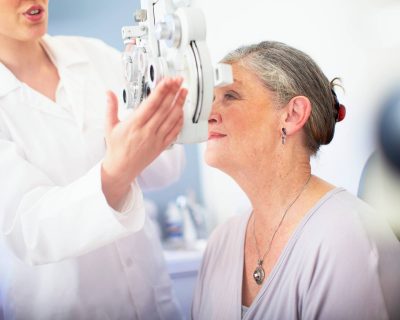
Here, you have to identify numbers or letters on an eye chart that is placed 20 feet from your face.It helps to check for refractive errors and see if you need a correction.By utilizing a phoropter and alternating between different lens strengths, your eye specialist determines the precise balance of nearsightedness, farsightedness, and astigmatism correction you need for crisp, 20/20 vision.
Other tests include the eye movement test, eye pressure test, slit lamp exam, and dilated pupillary exam
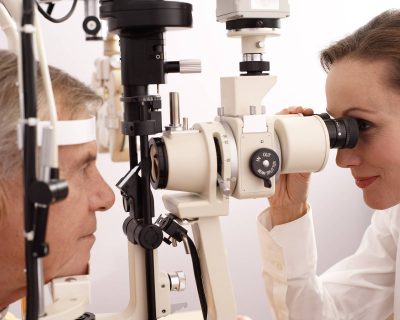
Ocular motility tests check your eye muscles’ tracking and coordination, while tonometry measures intraocular fluid pressure to screen for early glaucoma. The slit lamp uses high-magnification illumination to inspect the cornea, iris, and crystalline lens for cataracts or infections, and dilated retinal evaluations allow the doctor to examine the optic nerve, macula, and blood vessels thoroughly.
The complete diagnostic sequence is designed to be comfortable, efficient, and comprehensive. Beyond checking your need for corrective lenses, these multi-step evaluations serve as a window into your overall physical wellness. Health conditions such as diabetes, hypertension, autoimmune diseases, and high cholesterol often present their earliest detectable signs within the tiny microvessels of the retina.Receiving a thorough assessment provides you with an accurate vision correction prescription alongside peace of mind regarding your overall systemic and ocular health.
Maintaining Lifelong Visual Clarity
In all, note that you should get an eye prescription exam once a year. All you need to do is schedule an exam with an optometrist and take the test. The eye doctor will inform you if your sight has changed. They will also let you know whether you need new glasses or contacts.
Prioritizing your annual eye checkup is an investment in your safety, productivity, and everyday comfort. Maintaining an up-to-date prescription protects you against eye strain and headaches. It also provides the sharp visual performance required for driving, working, and enjoying daily life. Pairing proactive exams with high-quality lenses tailored to your lifestyle guarantees ongoing protection. As a result, your eyes remain protected against changing environmental demands.
New Optical Palace
At New Optical Palace Kitchener, our team includes dedicated optometrists and opticians. We deliver comprehensive eye exams and personalized vision care for patients of all ages. You may need to update your current prescription, explore contact lenses, or choose a stylish new designer frame. Whatever your goal, our clinic provides the expertise and advanced technology you need. Contact our friendly optical clinic today to book your comprehensive prescription eye exam.