The 270-Point Health Check: Why Your Eye Exam is a Physical
When most people schedule an eye exam, they expect a quick vision check and maybe a new prescription. But in 2026, a comprehensive eye exam has evolved into something far more powerful. Today’s technology and clinical understanding allow an optometrist to evaluate signs of more than 270 systemic health conditions—many of which extend far beyond vision. What happens during your visit may resemble a full-body screening more than a simple eyesight test.
The Eyes: A Window Into the Body
The human eye offers a unique advantage in medicine. It is the only place in the body where healthcare providers can directly observe live blood vessels and nerve tissue without surgery or invasive procedures. This makes the eye a critical vantage point for identifying early changes in the body.
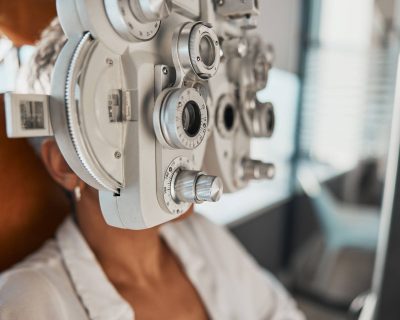
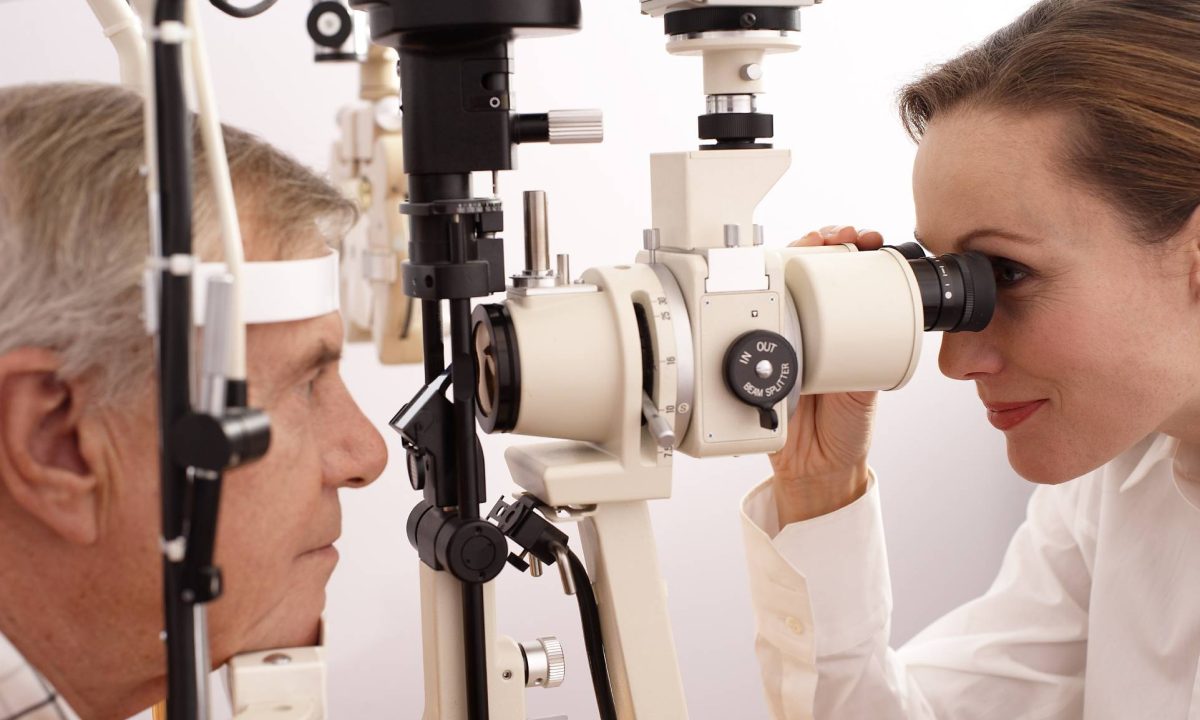
During a comprehensive exam, an optometrist can examine the retina, optic nerve, and blood vessels in remarkable detail. Subtle variations, such as narrowing of blood vessels, swelling of the optic nerve, or tiny hemorrhages, can signal underlying systemic issues. This is why eye exams can uncover conditions that might otherwise go unnoticed until symptoms become more serious.
Detecting Chronic Conditions Early
One of the most impactful aspects of modern eye care is its role in early detection of chronic diseases. Conditions like hypertension and diabetes often develop gradually and may not produce noticeable symptoms in their early stages. However, the eyes can reveal telltale signs long before a patient feels unwell.
For example, changes in retinal blood vessels may indicate high blood pressure, while tiny leaks or swelling can point to diabetic complications. These findings often prompt further evaluation, sometimes leading patients to visit their family doctor for confirmation and treatment.
This collaborative approach highlights how eye care an overall health go together. A routine eye exam may be the first step in identifying a condition that affects the entire body.
Beyond Vision: Neurological Insights
The scope of eye exams has expanded significantly with advances in imaging technology. Tools such as optical coherence tomography (OCT) allow optometrists to analyze the layers of the retina with microscopic precision.
Emerging research shows that certain patterns in the retina may correlate with early markers of cognitive decline. While this does not replace specialized neurological testing, it provides an additional layer of awareness. In some cases, an optometrist may notice subtle changes and recommend further evaluation. While not always the case, when symptoms like blurred vision, light sensitivity, or visual disturbances arise, it may not be a simple eye irritation.
The Optometrist as a Primary Care First Responder
Given the breadth of information gathered during an eye exam, the role of the optometrist has evolved. They are increasingly seen as “primary care first responders”: healthcare professionals who may detect the earliest signs of systemic disease.
Unlike many other routine checkups, eye exams often occur regularly, even when individuals feel healthy. This positions optometrists uniquely in the healthcare system. They may be the first to notice warning signs and guide patients toward additional care.
Importantly, this does not replace the role of a family doctor or other specialists. Instead, it complements it.
A Broader Perspective on Preventive Care
The idea that eye exams are only about vision is quickly becoming outdated. Preventive care today is about identifying risks early and taking a proactive approach to health. Comprehensive eye exams play a meaningful role in this process.
They offer a non-invasive, efficient way to gather insights about the body’s vascular and neurological systems. While they are not a substitute for medical evaluations, they add an important dimension to routine health monitoring.
Recognizing that eye care and overall health go together encourages individuals to view their eye exam as part of a larger wellness strategy rather than an isolated appointment.
A comprehensive eye exam in 2026 is much more than a vision check: it’s a 270-point health screening that can reveal valuable insights about the entire body. From detecting early signs of chronic disease to identifying potential neurological changes, the role of the optometrist continues to expand.
By understanding that eye exams can uncover more than just vision issues, patients can better appreciate their importance in maintaining overall health. The next time you schedule an appointment, remember that an eye exam can also give a broader look at your well-being through one of the most revealing windows in the body.