The 2026 Screen Time Cheat Sheet: How Much Is Too Much for Your Child’s Age?
Screens are now a normal part of childhood, from educational apps to streaming entertainment. For parents, the challenge is not eliminating screens, but understanding how much is appropriate at each stage of development. Widely accepted Canadian pediatric guidance offers a helpful framework, especially when it comes to protecting children’s vision.
Screen Time by Age: A Practical Cheat Sheet
Current Canadian recommendations provide general limits to help guide parents in setting boundaries:
- Infants (0–2 years): No recreational screen time is encouraged.
- Toddlers (2–5 years): Limit to about one hour per day.
- School-aged children (6+ years): Aim for consistent limits, often around two hours or less of recreational screen use, while prioritizing sleep, schoolwork, and physical activity.
These serve as a practical starting point. The goal is to ensure that screen use does not replace essential developmental activities like outdoor play, social interaction, and hands-on learning.
Why Limiting Screen Time Supports Visual Development
Children’s eyes are constantly growing and adapting. During early childhood, visual development depends heavily on exposure to a variety of distances, lighting conditions, and real-world interactions. Screens, however, tend to lock the eyes into prolonged near-focus.
This type of “near-work” can place added demand on the visual system. Over time, excessive near-work may contribute to changes in how the eye grows and focuses. For infants, avoiding screens altogether supports natural visual exploration—tracking movement, recognizing faces, and developing coordination. For toddlers, limiting screen exposure helps ensure their visual system continues to develop in a balanced way.
While occasional screen use is unlikely to cause harm, consistent overuse during critical developmental years is what raises concern among experts.
The Myopia Surge and Digital Eye Strain
Myopia surge refers to the increasing number of children developing nearsightedness worldwide. Researchers believe this trend is linked to modern lifestyle habits, including more time spent indoors and increased use of digital devices.
In addition to myopia, children may experience digital eye strain. This can include symptoms such as tired eyes, blurred vision, headaches, and difficulty focusing after prolonged screen use. Although these effects are often temporary, they highlight the strain that continuous screen exposure can place on young eyes.
Balancing screen time with other activities—especially those that involve looking at objects in the distance—can help reduce these risks and support healthier visual habits over time.
Eye Care Tips for Children in a Digital World
Creating healthy screen habits does not have to be complicated. A few simple strategies can make a meaningful difference in protecting your child’s vision.
Follow the 20-20-20 Rule
Encourage children to take regular breaks from screens. Every 20 minutes, they should look at something about 20 feet away for at least 20 seconds. This helps relax the eye muscles and reduce strain.
Make Outdoor Play a Daily Priority
Spending time outdoors is one of the most effective ways to support eye health. Natural light and the opportunity to focus on distant objects may help reduce the risk of myopia. Aim for at least one to two hours of outdoor activity each day when possible.
Set Screen-Free Times and Spaces
Establishing boundaries, such as no screens during meals or before bedtime, can help limit overall exposure. These habits also promote better sleep and family interaction.
Encourage Proper Screen Use
Teach children to hold devices at arm’s length and avoid using screens in very dim lighting. Good posture and proper viewing distance can reduce unnecessary strain.
These practical eye care tips for children can help families create a healthier balance between technology and development.
The Importance of Regular Eye Exams
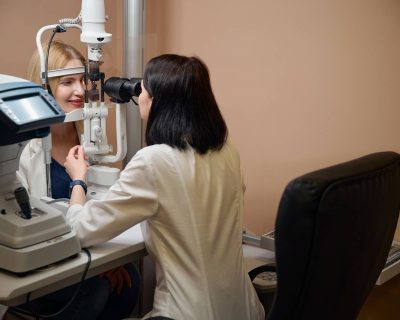
In addition to daily habits, routine vision care is essential. Just as children visit a family doctor for general health check-ups, their eyes should also be assessed regularly.
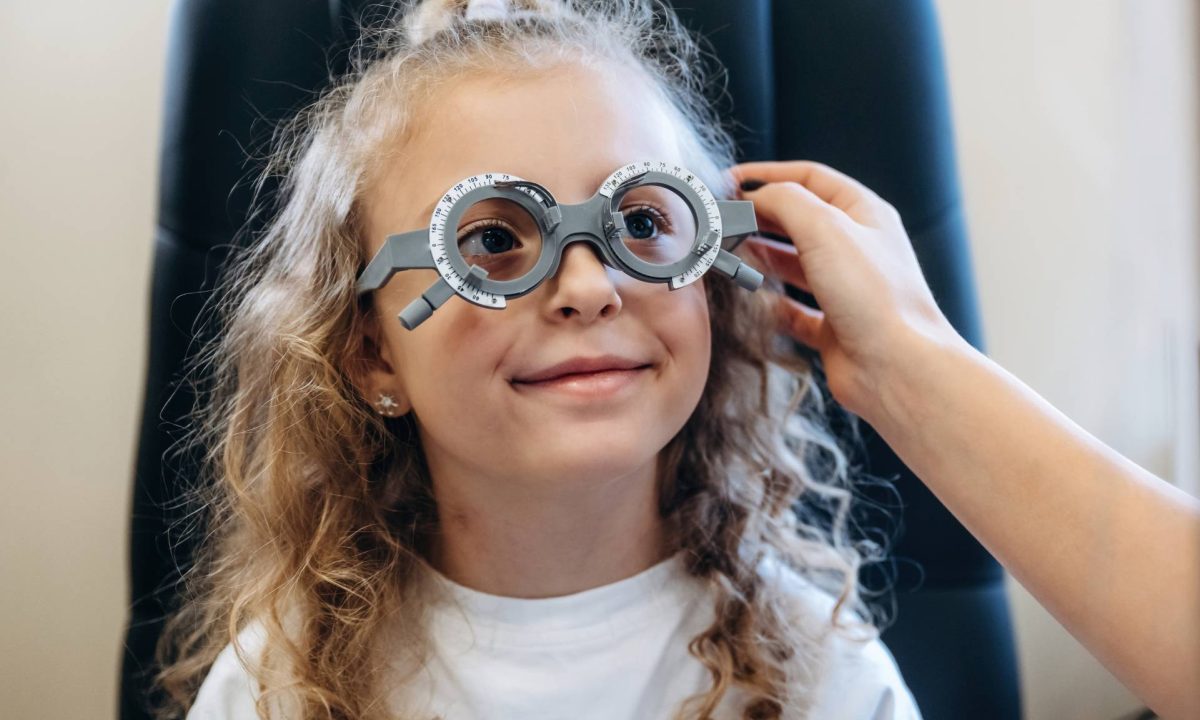
It is important to get an eye exam each year, even if no problems are obvious. Children may not always notice or communicate vision issues, and early detection can make a significant difference.
An optometrist can evaluate how your child’s eyes are developing, identify potential concerns like myopia, and provide guidance tailored to their needs. Regular exams help ensure that any changes in vision are monitored and managed appropriately.
Finding the Right Balance
Technology is an unavoidable part of modern life, and it can offer educational and social benefits when used thoughtfully. The goal is not to remove screens entirely, but to use them in a way that supports—not replaces—healthy development.
By following age-appropriate guidelines, encouraging outdoor play, and practicing good visual habits, parents can help reduce the risks associated with excessive screen use while still allowing children to benefit from digital tools.