
4 Clear Signs You Need Reading Glasses
At some point in adulthood, many people begin to notice subtle changes in how clearly they see objects up close. Whether it’s reading a menu, checking messages on a phone, or working on a computer, near vision plays a crucial role in daily life. These changes are often linked to the presbyopia that comes with age, a natural process that affects the eye’s ability to focus. Recognizing the early signs can help you take the next step toward clearer, more comfortable vision.
Understanding Why Near Vision Changes
Before diving into the signs, it helps to understand what’s happening inside the eye. The crystalline lens, located behind the iris, gradually becomes less flexible over time. In younger years, this lens easily changes shape to focus on nearby objects. However, as it hardens with age, its ability to adjust diminishes. This reduced flexibility makes close-up tasks more difficult and can lead to noticeable visual strain.
This process is completely natural and happens to nearly everyone. It is not a sudden failure of the eyes but rather a gradual shift that becomes more noticeable in your 40s and beyond.
1. You Need More Light to Read
One of the earliest and most common signs is the need for brighter lighting when reading or doing close work. If you find yourself turning on additional lamps or seeking out well-lit areas just to read comfortably, your eyes may be struggling to focus.
Dim environments make the issue even more apparent. For example, trying to read fine print or follow clues in a dimly lit escape room can quickly become frustrating. If increasing the light source consistently improves your ability to see clearly, it may be time to consider whether your near vision needs support.
2. You Hold Reading Material Farther Away
Another clear indicator is the tendency to hold books, phones, or menus at arm’s length. This adjustment is often unconscious, as your eyes try to compensate for the reduced focusing ability of the lens.
While this trick may temporarily improve clarity, it is not a long-term solution. Over time, even extending your arms may not be enough to bring text into focus. This behavior is a strong signal that your eyes are adapting to changes associated with presbyopia that comes with age.
3. You Experience Frequent Eye Strain or Headaches
Difficulty focusing up close can place extra strain on your eyes and surrounding muscles. This often leads to symptoms such as tired eyes, discomfort, or even tension headaches especially after prolonged periods of reading or screen use.
If you notice that these symptoms occur regularly during close-up tasks, it may indicate that your eyes are working harder than they should. Proper visual support, such as quality eyeglasses designed for reading, can help reduce this strain and improve overall comfort.
4. Small Details Become Increasingly Difficult to See
A gradual loss of clarity when viewing fine details is another key sign. This might include difficulty reading small print, threading a needle, or distinguishing intricate patterns.
Consider situations where visual precision is essential. For instance, if you struggle to decipher tiny, hidden clues or faint text during an escape room challenge—especially under dim lighting—it is a strong indication that your near vision is no longer as sharp as it once was. Close-up visual demands are critical not only for work tasks but also for hobbies and recreational activities that require attention to detail.
What to Do Next
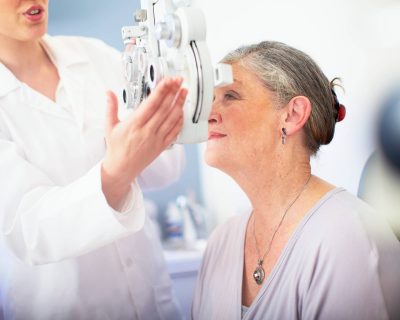
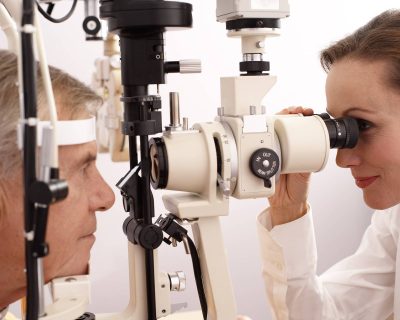
If any of these signs sound familiar, it may be time to schedule an eye exam with an optometrist. A comprehensive evaluation can determine the extent of your vision changes and whether reading glasses are appropriate.
Modern options go beyond basic magnification. Today’s quality eyeglasses are designed with both comfort and style in mind, making it easier than ever to find a pair that fits your lifestyle. Additionally, maintaining good habits, such as taking breaks from screens and ensuring you clean your glasses properly, can help you get the most out of your vision correction.
Changes in near vision are a natural part of aging, but they don’t have to interfere with your daily life. By recognizing the signs early, such as needing more light, holding materials farther away, experiencing eye strain, or struggling with fine details, you can take proactive steps toward clearer vision. If you notice these changes, a visit to an optometrist can help you explore solutions tailored to your needs, so you can continue enjoying both everyday tasks and activities that require sharp, close-up focus.