
Beyond Your Lungs: 4 Ways Smoking Harms Your Vision (And How to Reverse It)
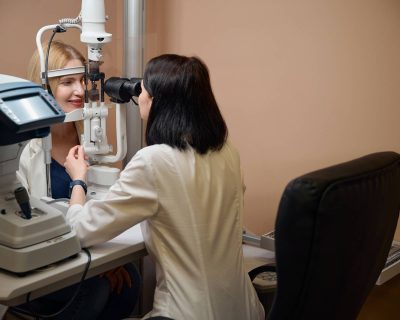
When most people reflect on the health hazards of tobacco, cardiovascular diseases and lung health dominate the conversation. However, the delicate vascular networks within your eyes are just as susceptible to damage. Inhaling tobacco smoke releases thousands of toxic chemicals directly into your bloodstream, causing systemic oxidative stress and constricting fine capillaries. Early detection is essential to safeguard your eyesight, making routine comprehensive examinations with a trusted optometrist one of the best defenses against permanent structural damage.
1. Accelerating Age-Related Macular Degeneration (AMD)
Age-related macular degeneration affects the macula—the central area of the retina responsible for sharp, straight-ahead vision necessary for reading, driving, and recognizing faces. Smoking increases the risk of developing AMD up to four times compared to non-smokers.
The toxins inhaled from cigarettes restrict ocular blood flow and degrade the protective pigment layer of the retina. This induces severe oxidative stress, breaking down sensitive photoreceptor cells faster than the body can repair them.
2. Early-Onset Cataracts
A cataract is a progressive clouding of the eye’s natural lens, which causes blurred vision, glare, and poor night vision. While cataracts commonly develop with advanced age, smoking accelerates this process significantly. Heavy smokers face double the risk of developing early-onset cataracts because heavy metals and toxic chemicals like cadmium accumulate in the eye’s lens, disturbing its delicate protein balance and causing rapid opacification.
3. Chronic Dry Eye Syndrome
Cigarette smoke acts as an intense chemical eye irritant, breaking down the lipid layer of the tear film that keeps your ocular surface hydrated. Both active smoking and exposure to secondhand smoke trigger chronic inflammation along the eye’s surface, leading to persistent redness, stinging, a burning sensation, and blurred vision. Over time, chronic irritation can damage corneal tissues.
4. Diabetic Retinopathy Escalation
For individuals living with diabetes, smoking sharply escalates the likelihood and severity of diabetic retinopathy. Nicotine causes blood vessels throughout the body to narrow, while carbon monoxide reduces oxygen delivery. In the retina, this microvascular constriction causes tiny blood vessels to leak fluid or bleed, leading to retinal swelling, scarring, and severe vision impairment.
The Biological Link: Oxidative Stress and Restricted Microcirculation
Understanding how tobacco damages vision requires examining what occurs inside microvascular tissues. Tobacco smoke delivers free radicals that overwhelm your body’s natural antioxidant defenses—a state known as oxidative stress.
At the same time, nicotine acts as a potent vasoconstrictor, shrinking tiny arterioles supplying the retina and optic nerve. Reduced ocular blood flow starves delicate nerve tissues of crucial oxygen and nutrients, making the eyes particularly vulnerable to degenerative diseases.
Unhealthy habits that may cause vision problems
While smoking stands out as one of the most destructive factors for long-term eye health, it often works alongside other unhealthy habits that may cause vision problems:
- Unprotected UV Exposure: Failing to wear sunglasses with 100% UV protection accelerates cataract development and macular damage.
- Poor Nutritional Habits: Diets lacking essential antioxidants (such as lutein, zeaxanthin, and omega-3 fatty acids) lower the retina’s resilience against free radicals.
- Prolonged Digital Screen Strain: Continuous screen time without breaks reduces blink rates, aggravating dry eye symptoms.
- Skipping Routine Eye Exams: Asymptomatic early stages of eye diseases often go unnoticed without comprehensive digital retinal imaging.
Most common eye conditions tied to smoking
When evaluating the most common eye conditions influenced by tobacco use, early diagnostic intervention is critical. By booking an appointment with an experienced optometrist, you can undergo detailed baseline scans—such as Optical Coherence Tomography (OCT)—to detect micro-changes long before noticeable vision loss occurs.
Ways to improve your vision and reverse damage
Fortunately, your eyes possess a remarkable capacity to recover once exposure to tobacco toxins ceases. Implementing proactive ways to improve your vision can help halt disease progression:
- Quit Smoking: Stopping tobacco use immediately halts the influx of free radicals and allows microvascular circulation to normalize.
- Adopt an Antioxidant-Rich Diet: Eat dark leafy greens (kale, spinach), colorful peppers, citrus fruits, and fatty fish to replenish retinal antioxidants.
- Protect Your Eyes Outdoors: Wear UV400-rated sunglasses to shield delicate ocular tissue from combined UV and oxidative damage.
- Hydrate Ocular Tissues: Use preservative-free lubricating drops as recommended by your eye care provider to manage dry eye discomfort.
Partnering with Your Family Doctor for Cessation Support
Quitting smoking is a journey that benefits from professional guidance. Reaching out to your family doctor provides access to proven cessation resources, including nicotine replacement therapies (NRTs), prescription medications, and behavioral counseling strategies. Combining cessation support from your primary care physician with routine monitoring by your optometrist creates a comprehensive care plan focused on protecting both your systemic health and your sight.