
How to Know if Your Child Needs Glasses
What makes knowing whether your child needs glasses difficult is the fact that children cannot fully recognize or communicate changes in their vision. On top of that, it is estimated that many children have undetected vision problems and do not receive proper eye care.
Children rarely report vision trouble because they assume everyone sees the world exactly as they do. When text appears blurry or distant objects look fuzzy, they have no frame of reference to know that clear eyesight is possible. As a result, children adapt silently to visual strain, compensating through behavioural shifts rather than speaking up about discomfort.
Your child may have refractive errors and you may not be aware. Our visual system develops until we reach 8 years of age, and some of us need help for ensuring proper development.
During these critical developmental years, the brain and the eyes form vital neural pathways through everyday visual experiences. When a refractive error like myopia, hyperopia, or astigmatism goes uncorrected during this sensitive window, the visual cortex does not receive the sharp stimulation it needs to mature properly. Timely intervention ensures these foundational pathways develop correctly, preventing permanent deficiencies later in life.
The Warning Signs
Our children cannot communicate like adults, but if you carefully observe their behavior you may find signs for vision problems.
Careful daily observation provides parents with the most reliable clues about a child’s visual function. Subtle actions during playtime, homework sessions, or sports often speak louder than words when identifying eye strain.
Here are the most common warning signs:
1. Headaches
This is a common warning signs for refractive errors. If your child gets easily tired and has headaches or eye pain, it is because extra effort is put for focusing or seeing certain objects.
When children struggle with uncorrected farsightedness or astigmatism, the ciliary muscles inside their eyes must work overtime to bring words into focus. This constant, subconscious muscular contraction causes tension to radiate across the forehead, brow, and temples. If your child frequently complains of an aching head in the late afternoon or after completing homework, visual exhaustion is often the hidden culprit.
2. Light Sensitivity
Focus on the reaction that your child has when you go outside on a sunny day. If your child experiences eye pain or if it takes long time adapting, then he or she probably needs glasses.
Photophobia, or extreme sensitivity to light, often indicates an imbalance in how the eyes manage ambient brightness or visual alignment. Children with certain binocular vision disorders, such as intermittent exotropia, frequently squint or shut one eye outdoors to suppress double vision. Additionally, inflammation or refractive strain can make sudden transitions from indoor lighting to direct sunlight uncomfortable and slow to adjust to.
3. Eye Rubbing
Eye rubs aren’t that unusual for children unless they are frequent and accompanied by fatigue and nausea. This can be warning signs for pink eye, refractive errors or blurry vision.
While rubbing the eyes can simply signify tiredness at bedtime, repetitive rubbing during focused tasks points toward ocular strain. Children rub their eyes instinctively to stimulate tear production and temporarily soothe tired extraocular muscles that are fighting to keep an image stable. Left unaddressed, frequent rubbing can irritate the delicate corneal surface and exacerbate allergic or inflammatory conditions.
4. Difficulties at School
Your child’s bad school performance may be caused by vision issues. If you notice difficulties while concentrating, reading and writing such as skipping lines and letter misalignment then a visit to the eye doctor is a must. Also ask the teacher if the child tilts its head while looking at the class board. This is also common for children with vision problems.
Visual processing accounts for approximately 80 percent of classroom learning, from deciphering whiteboards to reading textbooks. When tracking or focusing problems go unnoticed, children easily lose their place on a page, reverse letters, or become frustrated during silent reading. Tilting the head or turning the face allows a child to compensate for misalignment or unequal visual strength between both eyes, creating a temporary angle of clearer sight.
5. The Way of Watching TV
A good way to recognize if your child needs glasses is observing its behavior while watching TV or other digital screens. You must visit the doctor if your child sits to close to the TV, shuts one eye to see better or get easily tired after watching.
Sitting excessively close to the television or holding handheld devices directly against the nose is a classic coping mechanism for myopia. By reducing the distance to the screen, children artificially enlarge the picture to make blurry details recognizable. Closing or covering one eye while viewing media is another sign that the brain is struggling to merge two conflicting images into one unified picture.
When to See an Optometrist
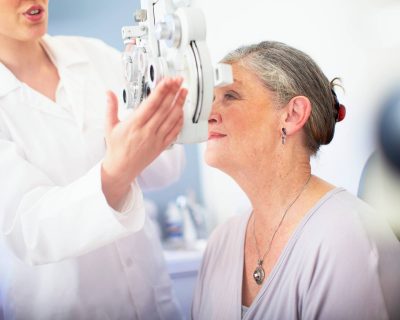
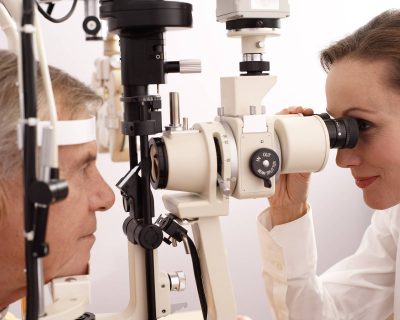
The optometrist will prescribe glasses or lenses for your child if it has issues like misalignment, poor vision, difficulties in vision development and a lazy eye. Children which have lazy or crossed eyes must wear glasses for their eye muscles to gain strength. Wearing glasses in these cases may fix the problem early on and ensure your child has a life with proper vision.
Professional pediatric eye assessments go far deeper than the standard school eye screening. An optometrist conducts specialized objective tests using retinoscopy and cycloplegic drops to evaluate your child’s refractive state accurately, even if they cannot yet read an eye chart. Corrective lenses provide balanced optical input, training the visual cortex to recognize sharp focus and ensuring the eyes work together as an effective team.
Other than vision problem warning signs, another thing you must look out for is genetics. If you or your partner had vision issues as children then the chances are bigger that your child has them too. Going to the optometrist will clear things up and put your mind at ease. With adequate eye care and treatment, some conditions can disappear after puberty and some can be stopped from further development.
About New Optical Palace
New Optical Palace is your Optician and Optometrist in the Kitchener and Waterloo Area. We offer eye exams for adults and children and a wide selection of prescription glasses for your prescription, contact lenses, and sunglasses.